APPENDIX D: SYMBOLIC BRANDING VS. ETHICAL ACCOUNTABILITY
Deconstructing Christian Nationalism as an Information Operations (IO) Strategy
Document Designation: Monograph Series: Authority and Accountability in Christian Perspective
Citation Standard: Chicago Manual of Style (Superscript Callouts, Full Footnotes & Bibliography)
Theoretical Framework: JROspace ABCDE Model (Appendix A) & Appendix X Canonical Baseline (67% OT / 33% NT)
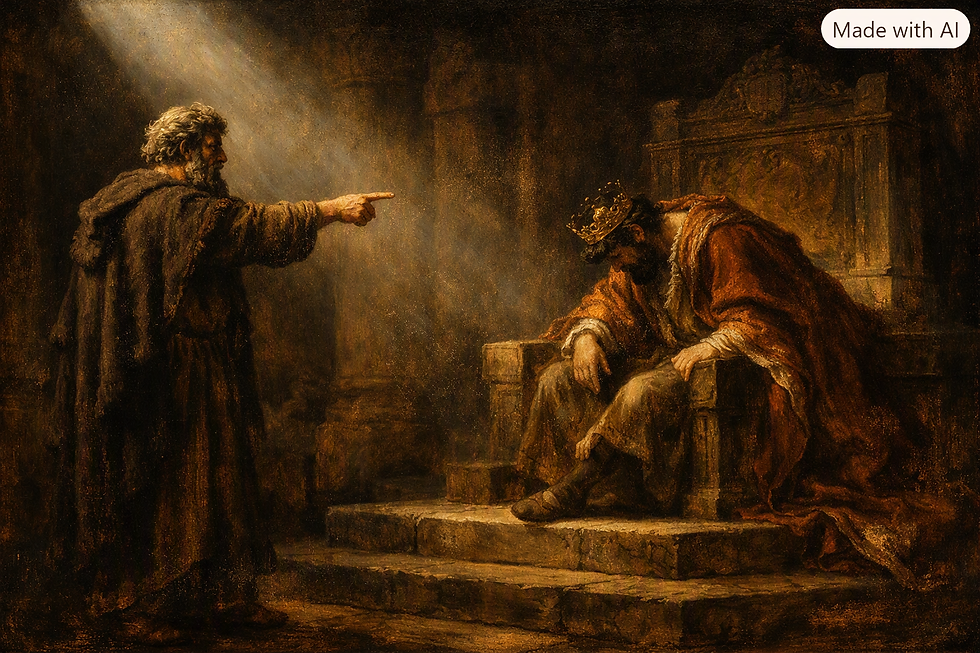
.jpg)
Executive Abstract
This appendix evaluates Christian nationalism as an Information Operations (IO) strategy of 'authority-pairing without accountability.' Political actors systematically deploy sacred terminology ('biblical worldview', 'faith-aligned governance') as cultural branding to claim civic legitimacy while discarding the ethical burdens, harm ownership, and external verification mandated by Christian scripture.1 Integrating sociological research (Whitehead, Perry, Gorski) and classical theological ethics (Hauerwas, Bonhoeffer, Yoder, Augustine), this study demonstrates that authority divorced from accountability represents pure ideological instrumentalization.2
1. Information Operations & Media Amplification
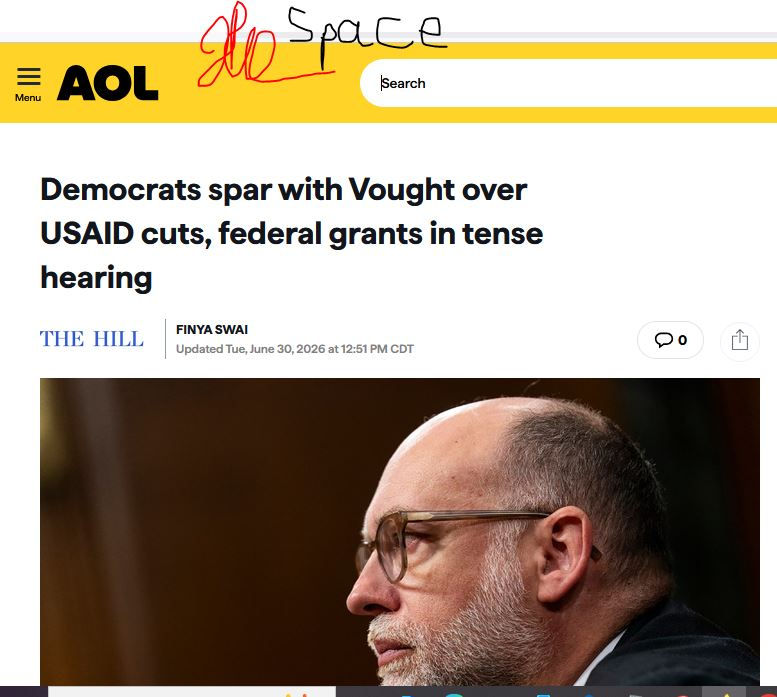
Media infrastructure analysis reveals that news outlets (Religion News Service, ChurchLeaders, Alternet) frequently repeat religious identity claims without auditing underlying policy proposals against Christian moral duties.3 Uncritical repetition shields authority claims from public collapse, insulating actors from accountability when policies inflict real-world harm on constituents.4
2. Theological Refutation of Authority-Pairing
Major theological ethicists provide unequivocal refutations of authority-pairing without accountability:5 Stanley Hauerwas notes that authentic faith is defined by cross-bearing accountability rather than political hegemony.6 Dietrich Bonhoeffer establishes a direct duty to intervene against state-induced harm inflicted on the vulnerable.7 John Howard Yoder proves that theological ethics demand non-negotiable responsibility for harm mitigation.8 Augustine of Hippo concludes that claiming divine sanction while rejecting justice and moral obligation constitutes pure tyranny.9
3. Footnotes
1. Appendix D: Symbolic Branding vs. Ethical Commitment, 19–22; Appendix B, 1–3.
2. Andrew L. Whitehead and Samuel L. Perry, Taking America Back for God (Oxford, 2020), 52–75; Philip S. Gorski and Samuel L. Perry, The Flag and the Cross (Oxford, 2022), 88–112.
3. Appendix B: Symbolic Branding vs. Ethical Accountability, 3–6.
4. Braunstein & McAlexander, Sociological Research on Media Framing, cited in Appendix B, 6.
5. Appendix D, Section 3, 27–29.
6. Stanley Hauerwas, Christian Existence Today (Brazos Press, 2001), 15–32.
7. Dietrich Bonhoeffer, Ethics (Touchstone, 1995), 84–102.
8. John Howard Yoder, The Politics of Jesus (Eerdmans, 1994), 115–140.
9. Augustine of Hippo, City of God (Penguin, 2003), Book XIX.
4. Works Cited
Augustine of Hippo. City of God. Translated by Henry Bettenson. London: Penguin Books, 2003.
Bonhoeffer, Dietrich. Ethics. Edited by Eberhard Bethge. New York: Touchstone, 1995.
Gorski, Philip S., and Samuel L. Perry. The Flag and the Cross: White Christian Nationalism and the Threat to American Democracy. Oxford: Oxford University Press, 2022.
Hauerwas, Stanley. Christian Existence Today: Essays on Church, World, and Living in Between. Grand Rapids: Brazos Press, 2001.
Whitehead, Andrew L., and Samuel L. Perry. Taking America Back for God: Christian Nationalism in the United States. Oxford: Oxford University Press, 2020.

Comments